
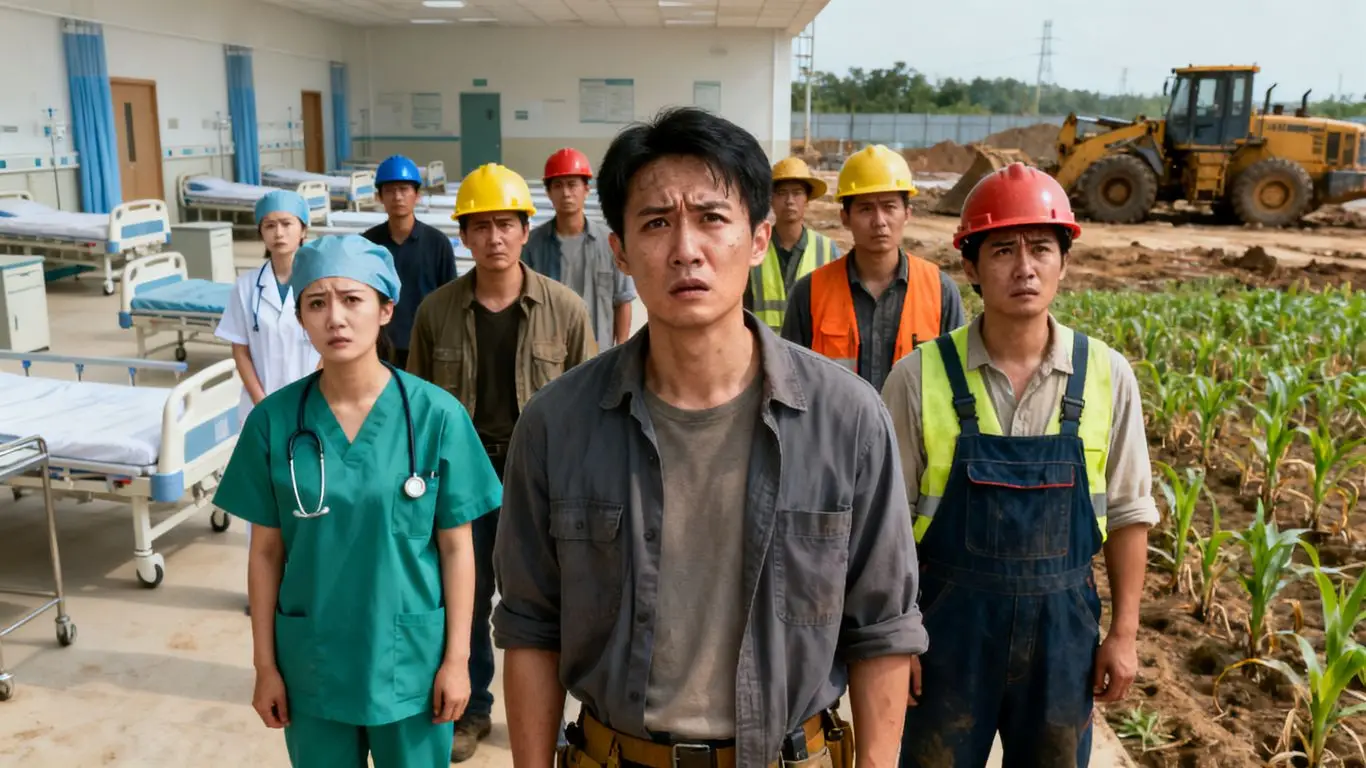
New Zealand is currently facing significant labour shortages across a multitude of industries, from healthcare and education to construction and manufacturing. This persistent issue is impacting businesses’ ability to operate at full capacity, leading to service disruptions and hindering economic growth. The government is exploring various strategies, including skilled migration, to address these critical workforce gaps.
Key Takeaways
- Widespread skill shortages are affecting numerous sectors in New Zealand.
- The education sector is experiencing a critical lack of secondary teachers, leading to subject cancellations and larger class sizes.
- Healthcare and aged care are struggling to meet demand due to insufficient nursing and support staff.
- The meat processing industry faces challenges in processing capacity due to a deficit of over 2,000 workers.
- Immigration policies and the pandemic’s aftermath have exacerbated existing labour market issues.
Education Sector Under Strain
The education sector is particularly hard-hit, with a growing shortage of secondary teachers. Principals report being forced to cancel subjects and increase class sizes due to the inability to find qualified staff. Some schools are resorting to hiring untrained individuals, impacting the quality of education. While there’s a surplus of primary teachers, specific regions and secondary subjects face persistent deficits.
Healthcare and Aged Care Demand Unmet
Healthcare and aged care services are experiencing severe staffing shortfalls. The aged care sector, in particular, has numerous empty beds because it cannot find enough registered nurses and support workers. This demand is driven by New Zealand’s ageing population, creating a critical need for more healthcare professionals.
Manufacturing and Trades Face Workforce Gaps
Industries like meat processing are struggling to maintain operations, with thousands of workers needed to meet processing demands. This shortage affects not only the industry’s capacity but also has ripple effects on farmers and regional economies. Skilled trades, including electricians and plumbers, are also in high demand, essential for ongoing construction and infrastructure projects.
Contributing Factors to Shortages
Several factors contribute to New Zealand’s labour challenges. The suspension of immigration during the COVID-19 pandemic significantly reduced the inflow of migrant workers, who are crucial for many sectors. While borders have reopened, the recovery is slow, and many businesses are losing staff to overseas employers offering higher wages. An ageing domestic workforce also means more people are retiring, creating further gaps.
Government and Industry Responses
In response, the government is looking to skilled migration pathways to fill critical roles. Industries are also adapting, with some companies establishing overseas recruitment hubs. However, the complexity of visa processes and the time required to recruit and relocate foreign workers mean these solutions are not immediate fixes. Efforts are underway to streamline immigration for in-demand roles, such as adding specific trades like halal butchers to the Green List to attract skilled migrants.
Sources
- Which Jobs Will Be Most in Demand in New Zealand over the next 10 Years?, Y-Axis Overseas Careers.
- Teacher shortage forcing subject cancellations, principals say, RNZ.
- New Zealand businesses desperate for staff, with slow pandemic recovery exacerbating issue, Australian Broadcasting Corporation.
- Meat industry still has staffing issue, Otago Daily Times.
